As we entered 2026, a lot is changing in the currency exchange world, like:
Geopolitical and Economic Changes
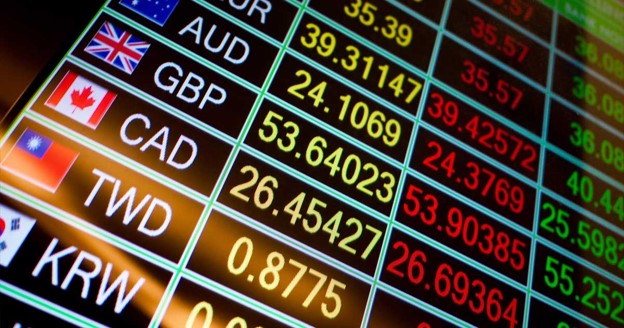
The geopolitical factors and economic shifts significantly influence the currency market; these are considered key drivers in determining rates. Due to changes in economic conditions, interest rate policies, and global market factors, this year the dollar is expected to lose its long-held status as a major player in the FX market. While EUR is holding steady, GBP is expected to trend stronger, according to experts, especially during the first half of 2026.
For businesses operating cross-border, relying on international operations, or engaging in import or export, it is essential to monitor key indicators and adjust strategies early to avoid trouble. Staying up to date on market conditions is also important to capture good opportunities and protect your transactions from being exposed to sudden fluctuations that can shrink your profit.
Use of Innovative Solutions
Technology is transforming how the foreign exchange market operates. Now you no longer need to manually monitor charts, no lag in executions, a lower risk of errors, and almost no chances of missed opportunities, all thanks to modern tools that offer automation, alerts, real-time rates, and quick execution, so you can trade instantly.
Any business that wants to protect its profit in 2026 must use these tools and gain control over currency exposure. By adopting the right technology, businesses can streamline their FX processes, improve decision-making, and reduce the risk of unfavourable rate movements affecting their deals.
Increased Volatility
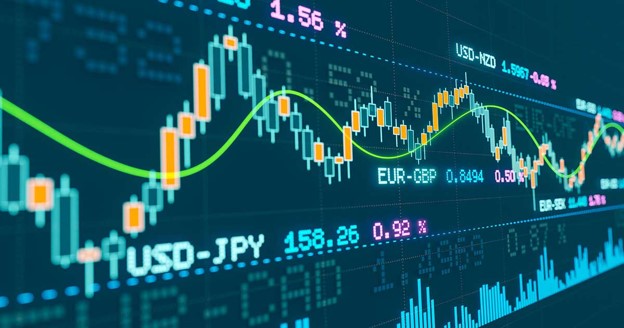
With inflation rising, the central bank’s changing approaches to interest rates and economic conditions are going to shape the currency market in 2026. This will directly affect currency rates, leading to sharp, unpredictable movements on the chart. This increased volatility will affect all traders and businesses.
For businesses, this means that the cost of importing goods, exporting products, or running overseas operations can change quickly and without much warning. Therefore, it is highly essential to check real-time rates, use tools like forward contracts and market orders, and automate transactions to make your payments more predictable.